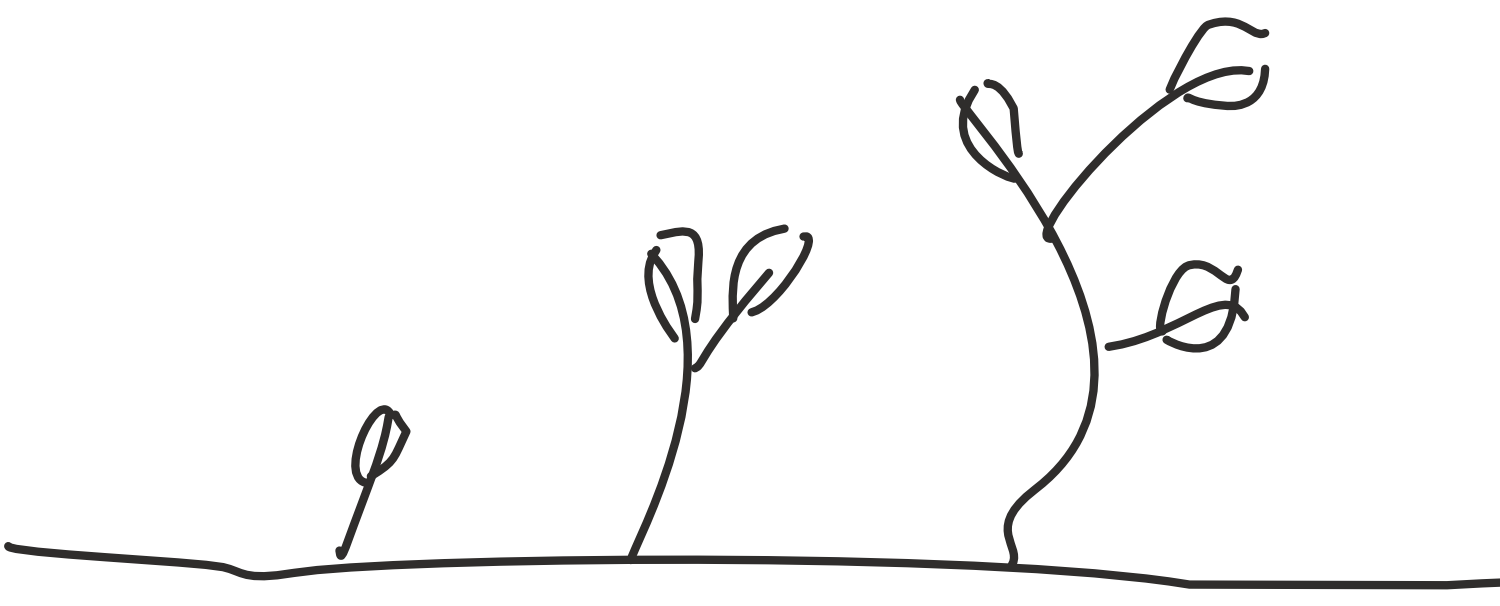
Time isn't what stands between you and the landscape you want. Time is part of the landscape itself.
Our world is one of productivity and efficiency. When we have a vision, we want it implemented because time is a cost. The goal is to get from vision to result fast to keep costs low.
That might work when building a deck, but it doesn't make sense for growing a landscape.
You don't put together a landscape in one weekend – not if you want something that's healthy and stable.
There are two ways to plant a slope. There's the fast way. We buy large plants, which are exponentially more costly because of the work the nursery has to do to get them there. We amend the soil, then add irrigation and a thick layer of mulch. It looks finished in a weekend. It cost a heap, and there's the ongoing maintenance: watering, fertilizing, replacing the mulch, fixing the irrigation.
Then there's the slow way. You use small plants and put them in unamended soil because you want them to suit what they're living in. You water them the first year, a little the second, and not at all the third. The plants spread on their own, maybe through seeds, rhizomes or simply by getting bigger. The planting looks sparse at the start, patchy the next year, and then full. The cost is relatively low and the landscape soon maintains itself.
The second slope is resilient. It has root depth the first can only dream of. It has diversity that arrived on its own. It feels settled. It's happy. But it required the willingness to wait.
Roots need time. They start near the surface, then go deeper as they seek out moisture. By year five, some plants have roots that can access water three feet down. No amount of irrigation can replace the time it takes roots to grow.
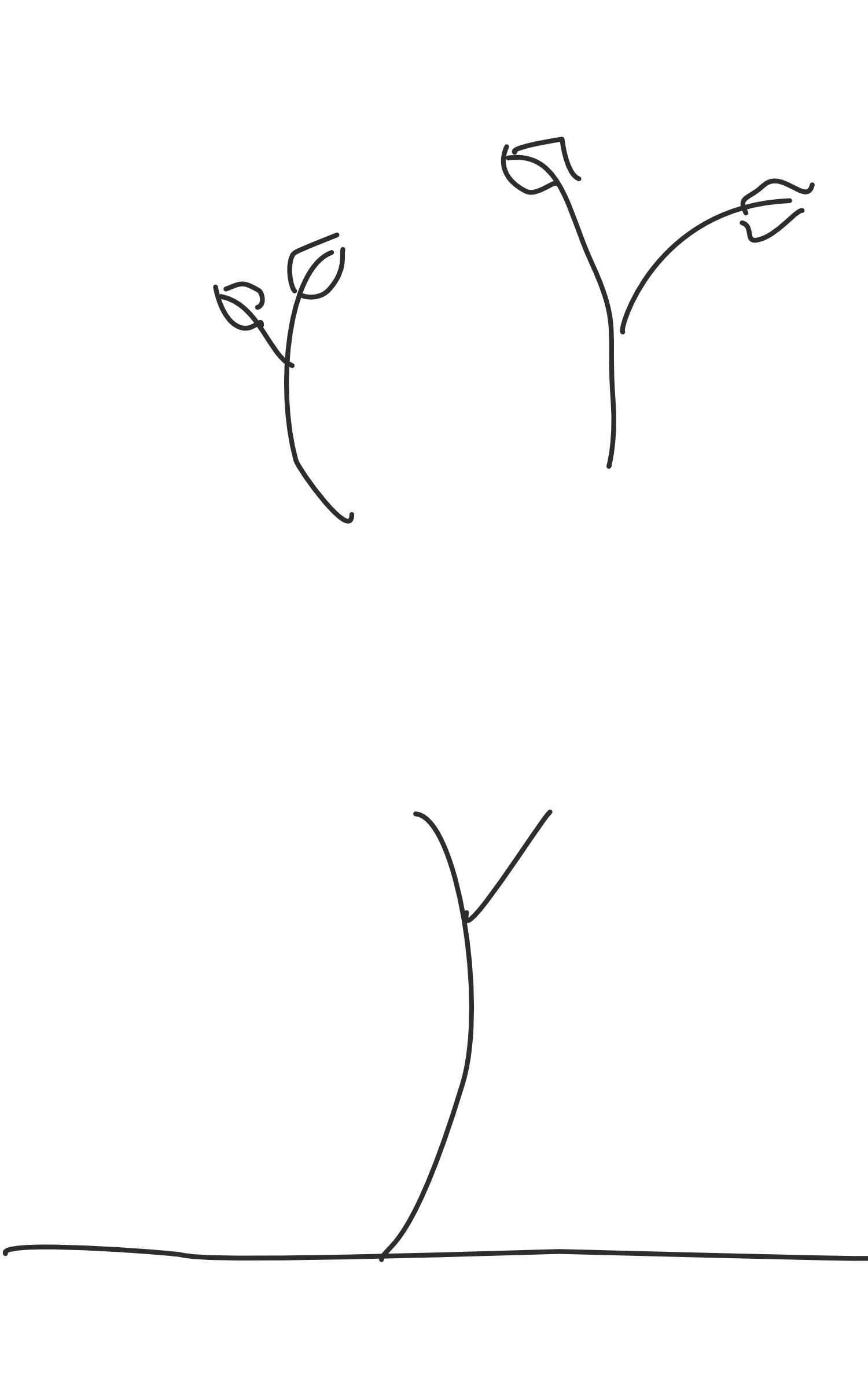
You get a community that organizes itself. However careful your design, the plants rearrange themselves. Some spread, some retreat, some disappear. The community you end up with isn't the one you started with. Instead, it's a slow negotiation between the plants and the land.
New plants arrive, filling gaps you didn't know existed. New relationships begin. The plants you started with are mature enough to flower and set seed. By year four or five, the landscape regenerates itself. But only if you wait.
First year plants are adapting, getting used to your land while working with the soil they came with. Soil which was optimized for somewhere else. Over the years, growth patterns change. You don't see it happening, but it's the difference between a plant that merely gets by and one that thrives.
None of this can be bought.
When you're rushing, you're shelling out on large plants, irrigation systems, mulch, replacement plants. You're spending money so you can avoid the wait. But you're going to have to wait anyway because plants need time to settle in.
What you end up with instead is a landscape that has trouble feeling at home. It's always demanding your help. It looks good in year one but feels somehow provisional. And you end up having to pay for the time you skipped in fragility, extra maintenance, and the nagging sense that something isn't right.
You don't learn. You don't watch the land through the seasons, so you don't see which plants struggle and which ones thrive. You don't notice where water pools or the spots the deer avoid. You don't feel at home there.
Time can become an ally rather than an obstacle. It is a design material. The landscapes that feel most alive, most settled, most "right", almost always have time in them. You can sense the depth and the complexity as you walk through. Everything seems to belong.
It doesn't mean you do nothing. You do things that work with time: you plant small, accept gaps, tolerate the awkward phase. You learn.
You can't buy the lessons the land teaches you, but you can show up for them.