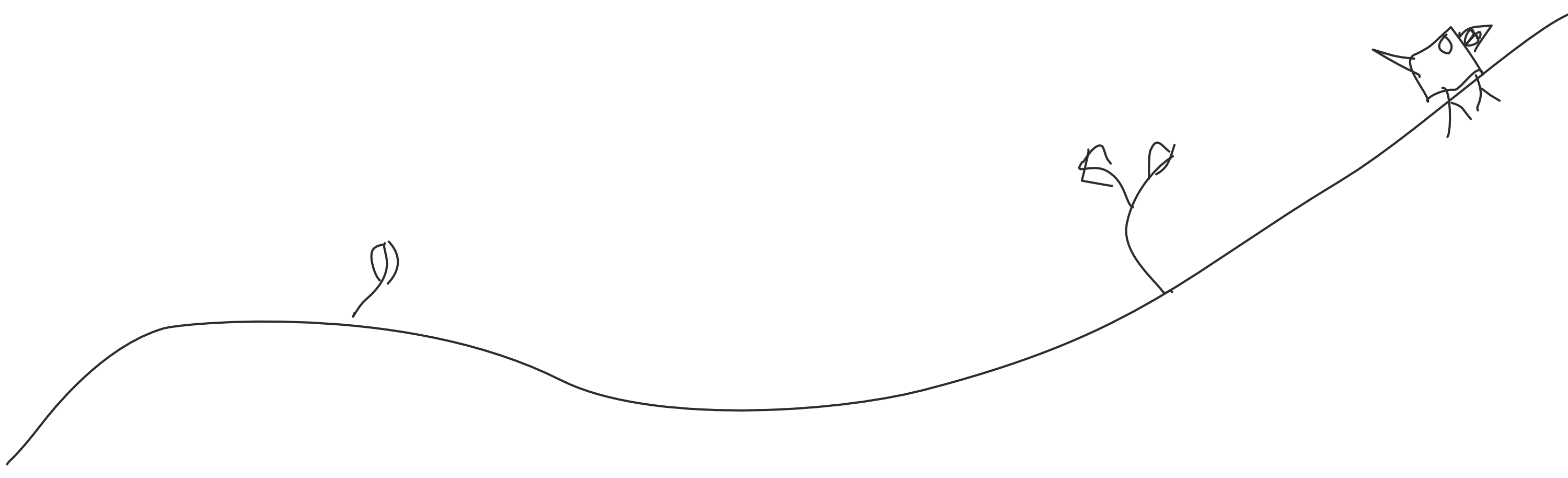
The land was here before you. It will be here after you're gone.
Your involvement with this land is temporary. You're present for a sliver of its life, a few decades, if you're lucky. Then the land goes on.
That's easy to forget on a July long weekend. The land can feel like it's yours: you bought it, you made it what it is, you get to enjoy it. You are also responsible for it. It can feel like you're the only person who mattered to it. But you're not.
Others shaped this land before you. First, it was old-growth forest, cared for by Indigenous people, then the loggers came and cleared the trees. Then the forest grew back. Then someone cut down trees to build your cottage. Now you're maintaining that clearing.
The land will continue to be shaped after you leave. The next owner or the one after that will make changes. And all the time, the land is doing what the land does: eroding, rooting, flooding. Time continues and the land goes on.
You're just adding one more layer to layers added by others. That layer is visible now, but over time it will fade away until there's barely a trace.
The care a person gives the land adds up. You're benefiting from the care someone else gave it, and future generations will benefit from the care you're giving it now.
Neglect accumulates, too. The invasive you didn't remove takes over. The soil that got compacted during construction stays compacted.
The land carries what happens forward. Care, attention, abandonment – they're all there.
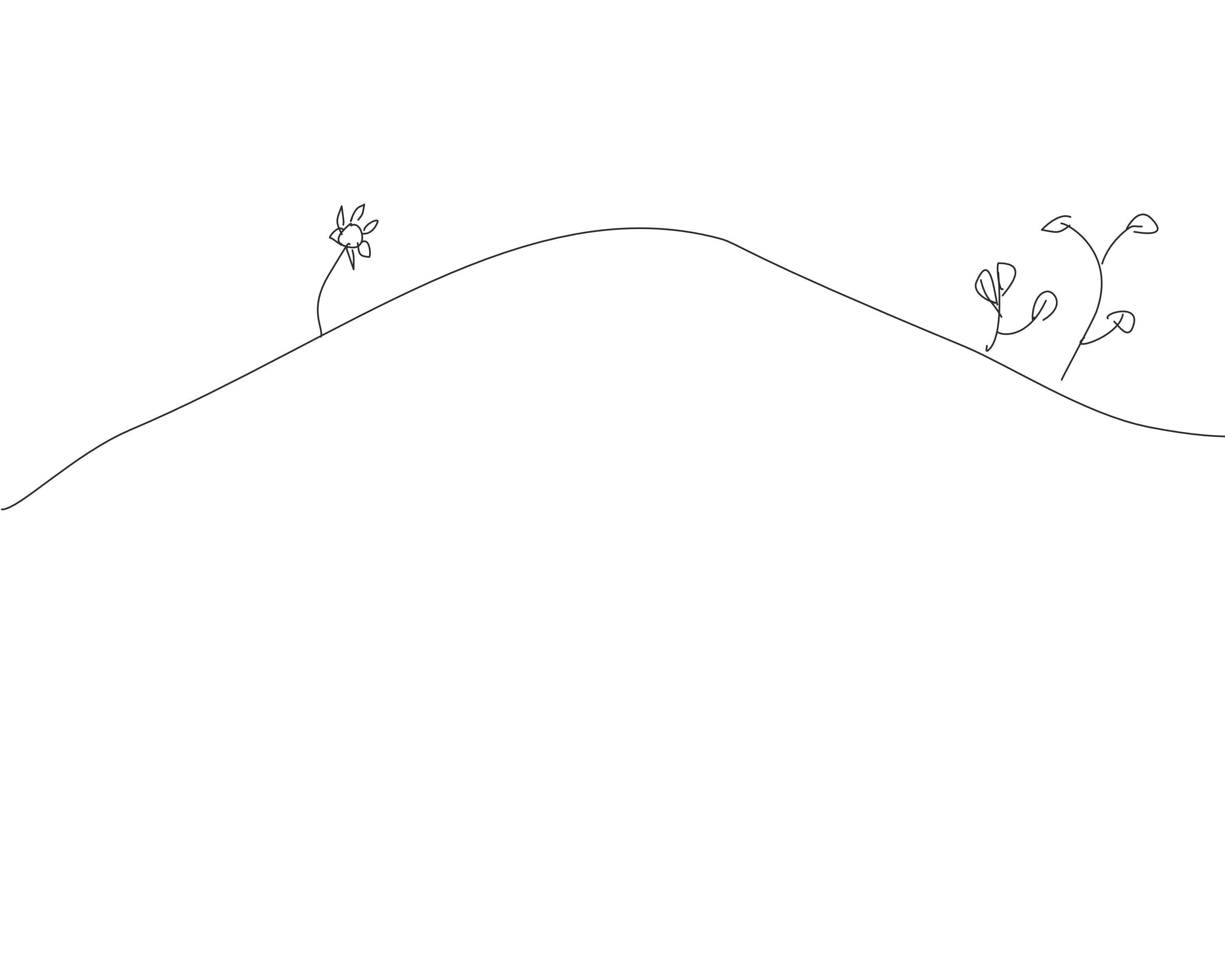
That means you're contributing to something you'll never see finished.
A century of care looks like the stone wall the pioneers made out of the fields of rocks or the old oaks a family planted by the driveway when the cottage was new. It looks like the naturalized daffodils someone's grandmother put in that still bloom each spring, decades after she died.
Layer upon layer of attention and care. Each one contributing to what the land is now.
A century of neglect looks like the periwinkle that is carpeting the forest floor or the erosion that carved deeper and deeper gullies into the slope.
Just like care, neglect accumulates. The land carries forward what it was given.
Every weekend you return. You're just there to stay.
The landscape you have today isn't the one you started with. Maybe you transformed it, but more likely you simply see it differently.
What you once saw as failure now looks like the land's normal process. The gaps that looked like weekend problems to fix now look like opportunities. The unasked-for changes that felt like threats now feel like normal changes.
You're not finished. Nor is the land.